
Comparing Deductibles for Savings on Insurance After an Accident

Jane Taylor
— Insurance coverage specialist
Choosing the right insurance deductible is crucial for managing your premium costs effectively, especially after an accident. Understanding insurance deductible comparison allows you to find the balance between your monthly payments and potential out-of-pocket expenses.
To compare options efficiently, start with lower car insurance after an accident.
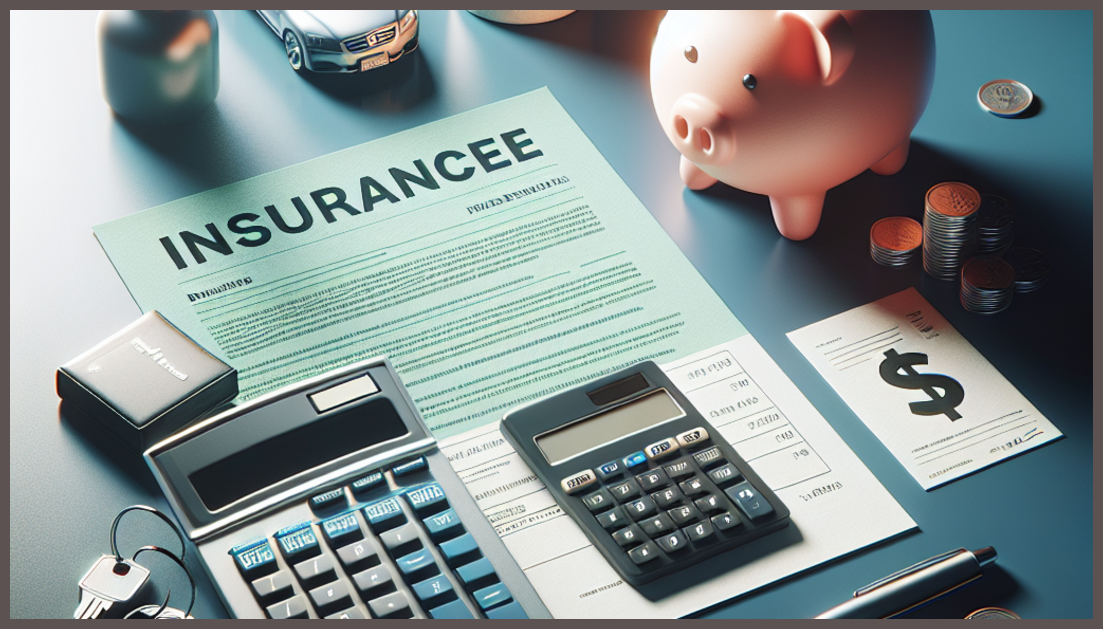
Understanding Deductibles
A deductible is the amount you agree to pay out of pocket before your insurance coverage kicks in. Choosing a higher deductible typically results in lower monthly premiums. However, this balance can significantly impact your financial situation in case of an accident. Understanding how these components interact will help you make an informed decision about your insurance plan.
For deeper specifics on filing a claim, review the considerations involved that can help you navigate this process effectively.
Types of Deductibles
Insurance policies may offer different types of deductibles, including standard, variable, and disappearing deductibles. Each has unique features that can influence your cost savings.
How Deductibles Affect Premiums
The deductible amount directly influences your insurance premiums. A lower deductible leads to higher premiums, while a higher deductible reduces the premium cost. Calculating your potential savings by adjusting your deductible is essential to understanding your insurance costs. Regular reviews can prevent paying more than needed for coverage.
For insights into improving credit scores, which can further influence your insurance rates, consider this additional resource.
Factors to Consider When Choosing a Deductible
When selecting your deductible, consider various factors such as your driving habits, financial situation, and the level of risk you’re comfortable with. Understanding these aspects will guide you in making a choice that ensures adequate coverage without unnecessary expenditure on premiums.
Evaluating vehicle types that can affect your premiums can further complement your deductible analysis.
Evaluating Your Current Policy
It’s crucial to review your existing insurance policy regularly, especially after experiencing an accident. This will help identify whether your current deductible meets your needs or if adjustments can lead to savings. By analyzing your coverage and calculating potential future expenses, you can make informed decisions to lower costs effectively.
To enhance your understanding of your current policy’s advantages, check out affordable insurance options that may be better suited to your situation.
Steps to Changing Your Deductible
If you’ve decided to alter your deductible, understand the steps involved in notifying your insurance provider and the financial implications of these changes. Most insurance companies allow adjustments to deductibles during the policy renewal period, but understanding the processes ensures a seamless transition.
FAQ
What is a deductible in insurance?
A deductible is the amount you pay out-of-pocket for a covered loss before your insurance kicks in.
How does a higher deductible save money?
A higher deductible usually results in a lower premium since you’re taking on more risk.
Can I change my deductible at any time?
Generally, you can change your deductible at renewal time or by contacting your insurance company, but policies vary.
What happens if I can’t pay my deductible?
If you can’t afford your deductible, you may not receive coverage for your claim.
Is it better to have a low or high deductible?
It depends on your financial situation and how much risk you are willing to take; both have their advantages.
Conclusion
In summary, comparing deductibles can lead to substantial savings on your insurance premium. Balancing your deductible against your financial capabilities ensures you don’t pay unnecessarily high premiums while maintaining solid coverage.
Evaluating your options regularly and adjusting as needed can significantly impact your insurance experience and savings potential.